How To Transition To A Soft Diet After Dental Implants
January 26, 2022
3 min
Transition to a soft diet after dental implants by eating nutrient-rich, easy-to-chew foods like yogurt, smoothies, eggs, oatmeal, soft vegetables, and mashed potatoes. Avoid crunchy, hard, or hot foods for 10–14 days. Stay hydrated without using straws. Eat regularly to support healing and prevent complications during recovery.
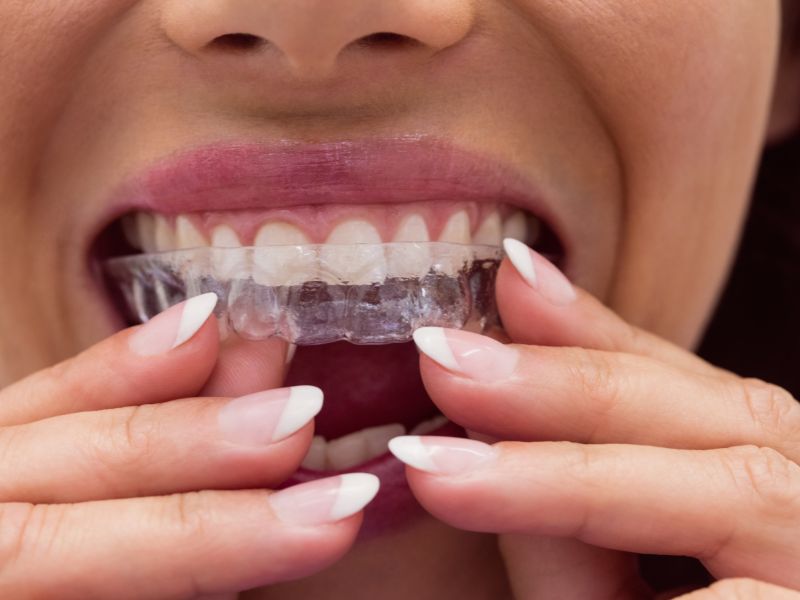
Do I Need To Extract Teeth If I’m Considering Invisalign?
January 25, 2022
1 min
Tooth extraction may be needed before Invisalign if you have overcrowded teeth or severe misalignment. Extraction creates space to align teeth properly. Not all patients require it; your dentist will assess your mouth and determine if extraction is necessary based on bite issues like overbite, underbite, or crossbite.
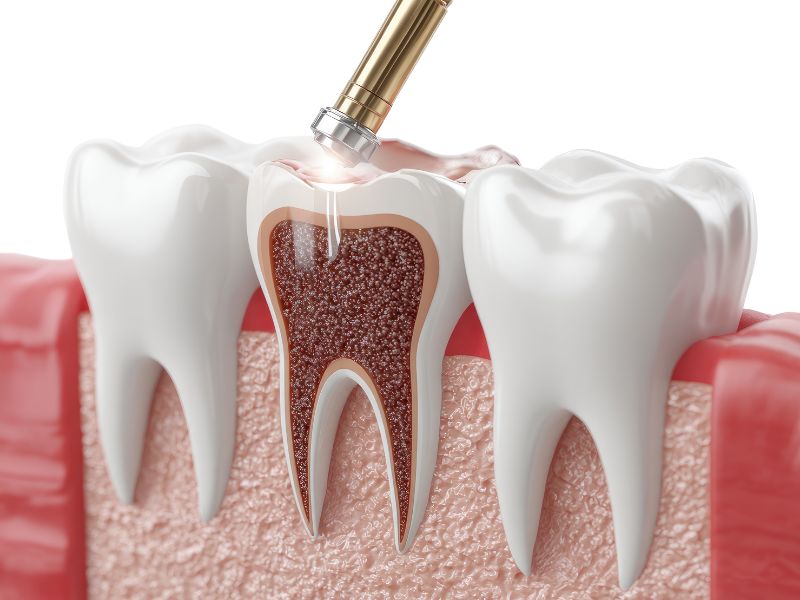
Root Canals VS Cavities
January 22, 2022
3 min
The main difference between root canals and cavities is that cavities treat minor tooth decay while root canals treat severe decay that has reached the tooth’s nerve. Cavities are filled in one visit without affecting the nerve. Root canals remove infected pulp, clean the canal, and seal the tooth to prevent further damage.

What Are The Non-Cosmetic Uses For Botox?
January 21, 2022
2 min
Non-cosmetic uses for Botox include treating TMJ disorders, chronic migraines, jaw clenching, excessive sweating, muscle spasms, lazy eye, facial paralysis, neck pain, and involuntary blinking or urination. Botox works by relaxing overactive muscles or blocking nerve signals, providing relief for various medical conditions when administered by trained professionals.

10 Early Warning Signs Of Periodontal Disease
January 14, 2022
3 min
Early warning signs of periodontal disease include red or swollen gums, bad breath, and bleeding when flossing. In its first stage, gingivitis may also cause mild gum sensitivity. As the disease progresses, signs like gum recession, deep pockets, and loose teeth may appear. Early detection allows for reversible treatment.

How Does Sedation Dentistry Work?
January 13, 2022
3 min
Sedation dentistry works by using medications like IV sedation, oral pills, or nitrous oxide to relax patients during dental procedures. These methods reduce anxiety, increase comfort, and allow dentists to work efficiently. Sedation ranges from light to deep, depending on the method used and the patient’s needs.