What Are The Non-Cosmetic Uses For Botox?
January 21, 2022
2 min
Non-cosmetic uses for Botox include treating TMJ disorders, chronic migraines, jaw clenching, excessive sweating, muscle spasms, lazy eye, facial paralysis, neck pain, and involuntary blinking or urination. Botox works by relaxing overactive muscles or blocking nerve signals, providing relief for various medical conditions when administered by trained professionals.

10 Early Warning Signs Of Periodontal Disease
January 14, 2022
3 min
Early warning signs of periodontal disease include red or swollen gums, bad breath, and bleeding when flossing. In its first stage, gingivitis may also cause mild gum sensitivity. As the disease progresses, signs like gum recession, deep pockets, and loose teeth may appear. Early detection allows for reversible treatment.

How Does Sedation Dentistry Work?
January 13, 2022
3 min
Sedation dentistry works by using medications like IV sedation, oral pills, or nitrous oxide to relax patients during dental procedures. These methods reduce anxiety, increase comfort, and allow dentists to work efficiently. Sedation ranges from light to deep, depending on the method used and the patient’s needs.
How To Sleep After Root Canal Treatment
January 12, 2022
3 min
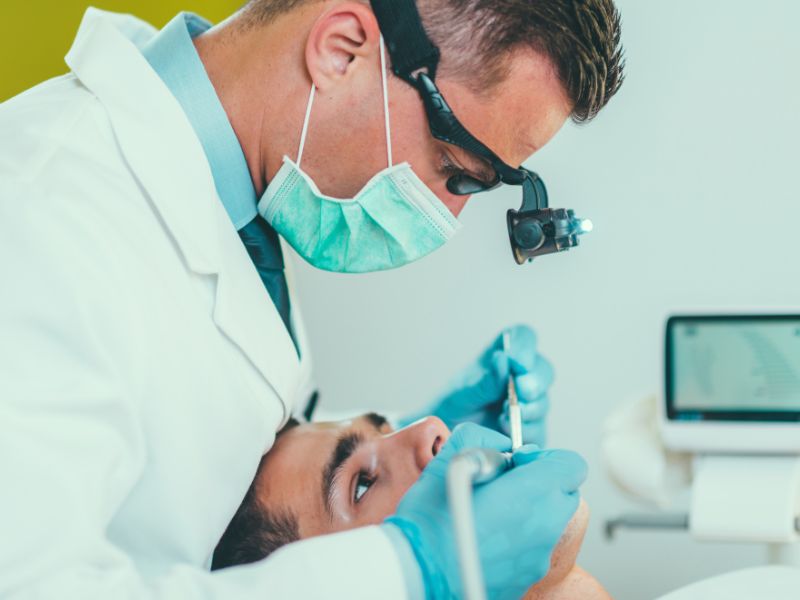
Sleep with your head elevated for the first few nights after a root canal to reduce swelling. Use pain relief like ibuprofen, apply ice packs for 10–15 minutes hourly, and avoid chewing on the treated side. Creating a calm sleep environment also helps manage discomfort and promotes better rest.

The Relationship Between Oral Health And Sinus Infections
January 10, 2022
2 min
Oral infections can contribute to sinus infections due to the proximity of teeth and sinuses. Dental issues like cavities, gum disease, or impacted teeth may cause or worsen sinus symptoms. Dentists and ENT specialists can identify the true source of pain, as toothaches and sinus issues often feel similar.
Can A Type 2 Diabetic Patient Get Dental Implants?
January 10, 2022
2 min
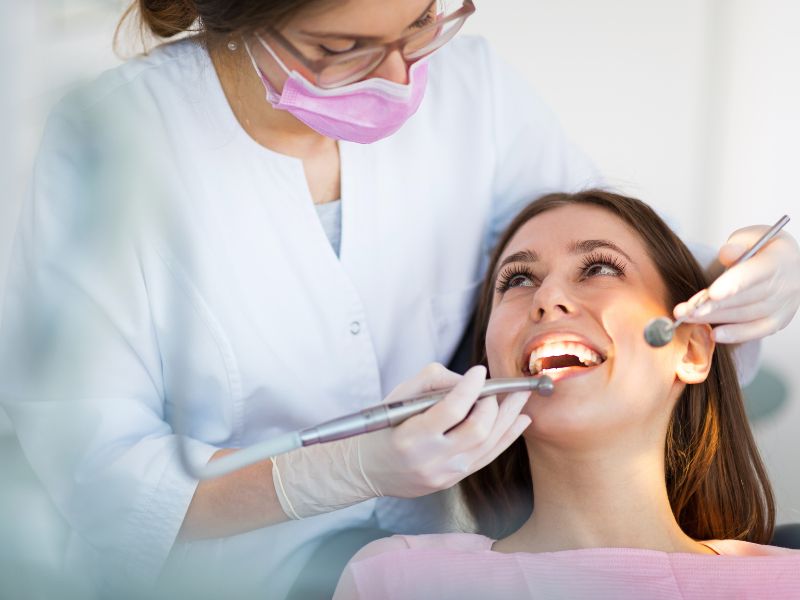
Yes, type 2 diabetic patients can get dental implants if their condition is well-controlled. Dentists assess factors like blood sugar stability, medical history, and healing ability. Studies show implant success rates over 90% in diabetics, making implants a viable option with proper care and monitoring.